
The development comes amid a growing clamour for the boycott of Chinese products in India, combined with the government's push for Aatmanirbhar Bharat.

The government has been gearing up to place tighter restrictions on the import of 371 items - ranging from toys and plastic goods to sports items, and furniture worth $127 billion.
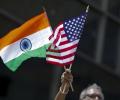
Embargo on imports from a neighbouring country would send a chilling signal to foreign investors who look for transparency and companies with manufacturing units in India had requested the government to publish any change in port policy "to provide the business community with the visibility they need to function", says United States-India Strategic Partnership Forum.
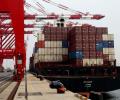
The FIEO on Thursday reiterated that the Customs authorities at several ports in India had ordered a sudden examination of Chinese consignments without any official word from the government, and this may have led to the Chinese retribution.
Govt's e-commerce portal asks sellers to specify country origin of products. Now, the commerce & industry ministry has mandated that the Government e-Marketplace, which has seen Rs 55,048 crore worth of transactions till now, adopt this approach in the interest of creating an 'Aatmanirbhar Bharat'.
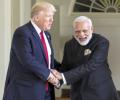
The trade deal, officials say, can lead to an effective trading bloc against the China-led Regional Comprehensive Economic Partnership.
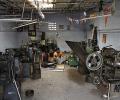
While the Narendra Modi government has stuck to its stand that pending payment is Rs 12,343 crore, MSMEs calim outstanding amount is Rs 2-3 trillion. Moreover, MSME ministry's SAMADHAN portal has been of little help.

The government clarified that the majority of industrial establishments had reported nil production, and cautioned that the numbers should not be compared with those of previous months. "It is not appropriate to compare the IIP of April 2020 with that of earlier months, and users may like to observe the changes in the IIP in the following months," said the ministry of statistics & programme implementation.

Equity inflows worth $3.7 billion came from the sunny Caribbean jurisdiction in 2019-20, a 267 per cent increase from the $1 billion registered in 2018-19 making it India's 10th largest source of FDI.

India's curve, yet to flatten vis-a-vis countries with similar or more conservative plans to ease restrictions, still points to 'exponential growth', despite India having tested much fewer people.

Up to 95 per cent of units in the Noida-Greater Noida mega industrial zone are currently shut.

Even as the industrial cycle has ground to a halt during the 21-day lockdown, the industry has been hit hard by foreign orders from major clients in the US and Europe being cancelled. Also, a sudden lack of labour has crippled the sector because of a mass exodus of workers from industrial units to the hinterland.

The Customs clearance required for moving equipment like laptops, desktops, etc out of SEZ units was delaying things as the clearance had to be taken in person after a first level of approval online.
Business leaders, among others, ask govt to let go of fiscal target, seek stimulus, and direct cash transfer.

Across Yes Bank branches, the busiest people were the relationship managers, trying to soothe nerves. Many were seen advising clients the situation was only temporary and that their money was safe.

CAIT has attributed its displeasure to the economic downturn, and indifferent attitude of ministers/officials towards domestic trade.
The issue is set to be discussed early next week as the commerce department meets with industry bodies to discuss the widening supply gap for key imports.

While 100 per cent FDI is allowed in single-brand retail, if the foreign investment exceeds 51 per cent, the 30 per cent mandatory local sourcing norm kicks in.

Trump had said a comprehensive trade agreement with India would take much longer to finalise than earlier expected.
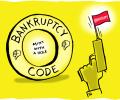
Among manufacturing companies that went to the National Company Law Tribunal (NCLT), chemicals and metal firms witnessed more resolutions while companies in the labour intensive (employment friendly) leather and textile sectors mostly get liquidated, reports Abhishek Waghmare.
 © 2025 Rediff.com - Investor Information - Advertise with us - Disclaimer - Privacy Policy - Sitemap - Feedback - About us - Terms of use - Grievances